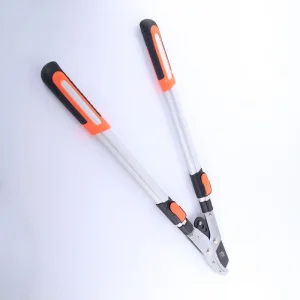
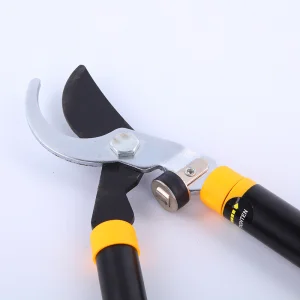
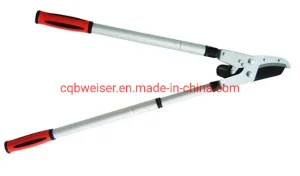
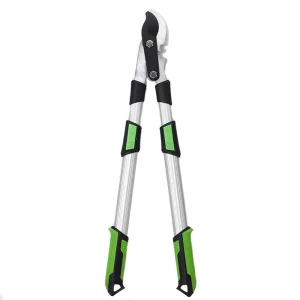
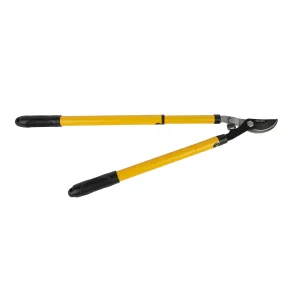
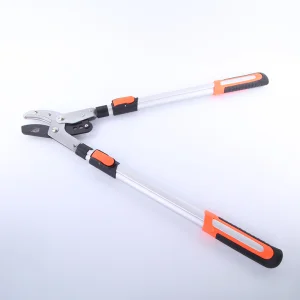
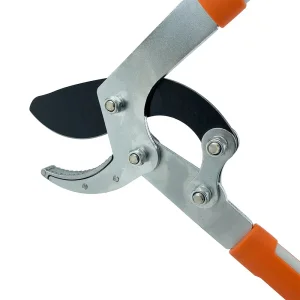
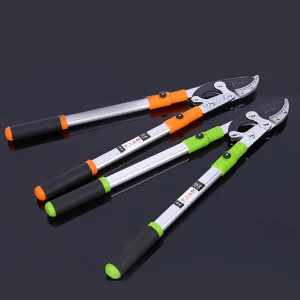
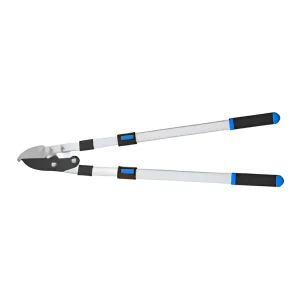
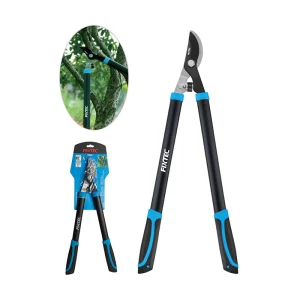
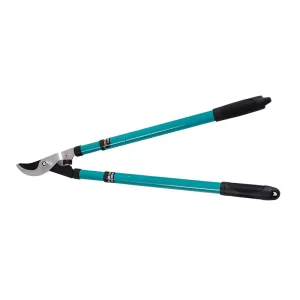
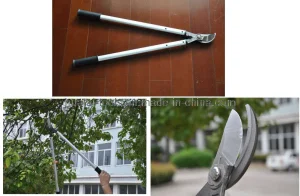
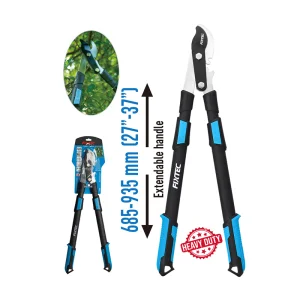
High-durability bypass and anvil loppers tailored for coffee, timber, and Savannah crop pruning applications in Bangui and neighboring prefectures.
The Central African Republic (CAR) holds a critical geographical position within the Congo Basin and the Sudano-Sahelian ecological zones. Agriculture serves as the backbone of the nation's domestic economy, employing over 70% of the active population. With fertile soils and massive river basins, the farming of cash crops such as Robusta coffee, cotton, and oil palm, alongside staple crops like cassava and maize, forms the foundation of CAR's rural livelihood.
Concurrently, the forestry sector represents a highly valuable export category. Commercial timber harvest and silvicultural management in Southern regions like Lobaye, Sangha-Mbaéré, and Mambéré-Kadéï demand high-grade manual cutting machinery that operates without electrical reliance. This is where professional-grade tree branch loppers play an irreplaceable role.
For B2B importers, NGOs distributing humanitarian agriculture aid in CAR, and public development sectors, sourcing from a professional lopper manufacturer guarantees the physical integrity and longevity of the agricultural implements deployed.
Key industrial factors transforming how agricultural tools are specified and imported in the CEMAC region.
Equatorial rainforest zones exhibit relative humidity often exceeding 85%. Standard carbon steel blades oxidize within weeks. Importers now mandate premium non-stick coatings, nickel plating, or Teflon-treated SK5 steel blades.
As timber and orchard managers prune robust hardwood species (like Okoumé or Iroko shoots), mechanical gear-assist structures and ratchet systems reduce manual input by up to 50%, minimizing labor fatigue.
High-reach branch cutting is hazardous. Sourcing modular telescopic anvil loppers allows field operators to bypass heavy ladders, improving occupational safety during canopy thinning and shade tree maintenance.
Established in 2013, Zhejiang Moxie Garden Co., Ltd. has developed into a premier manufacturer and international exporter of high-caliber garden, forestry, and landscaping tools. Headquartered in Zhejiang Province, a prominent hub for global advanced metalworking and tool technology, we have constructed a reputation for producing high-durability hardware.
Our operation is characterized by strong global integration. In 2022, we successfully exported products to clients across 32 countries and regions, serving a diverse demographic of B2B partners, commercial wholesalers, direct retailers, and agricultural cooperatives. In the same fiscal year, we achieved a total export revenue surpassing 5 million USD, highlighting our manufacturing scalability and consistent product reliability.
Our core materials include heavy-gauge stainless steel, high-tensile carbon steel, lightweight aluminum alloys for structural components, and ergonomic wood, PP, and thermal plastic rubber (TPR) for soft grips. This material combination ensures our loppers perform under the intense climatic conditions of Central Africa.
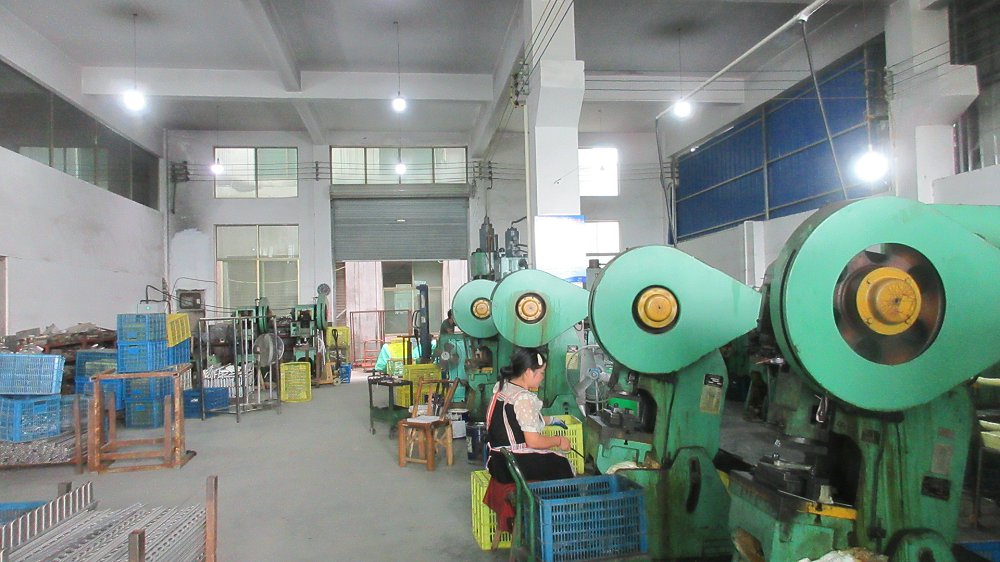
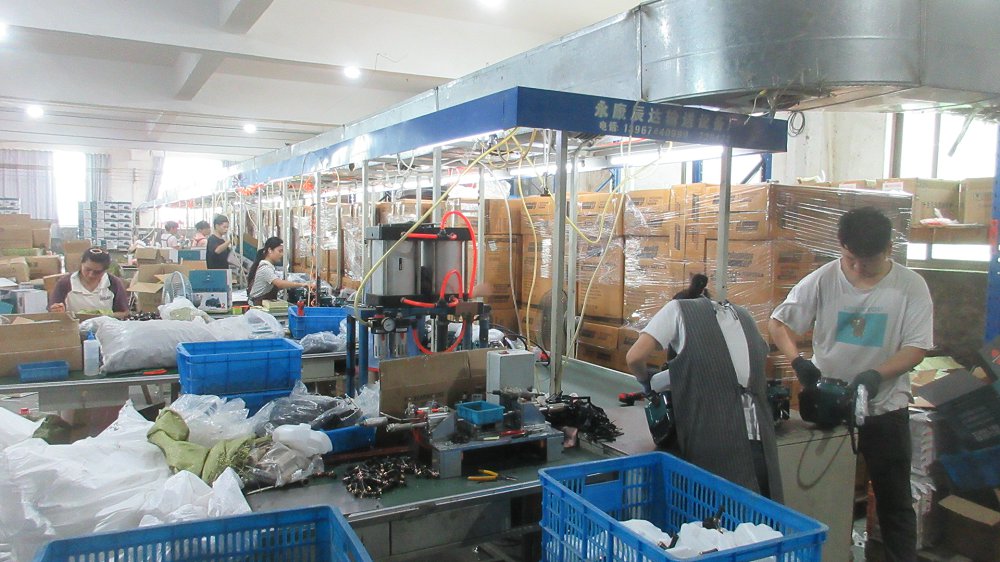
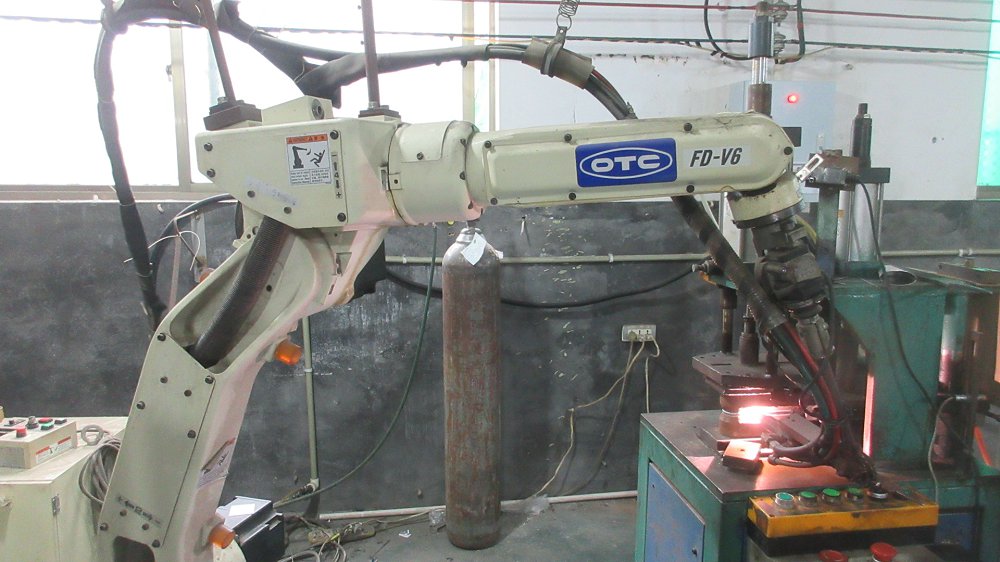
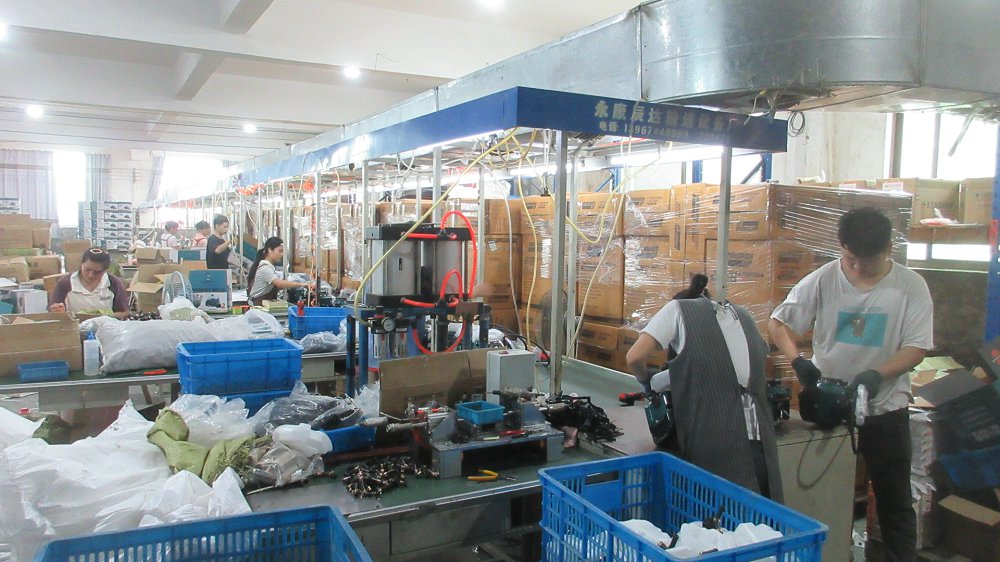
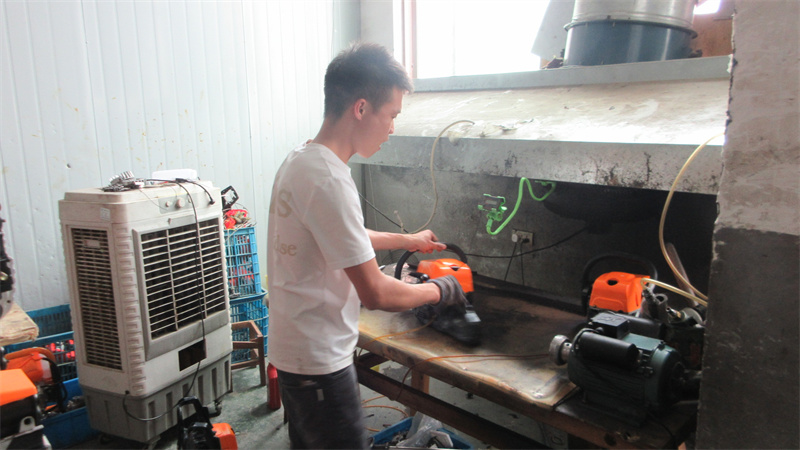
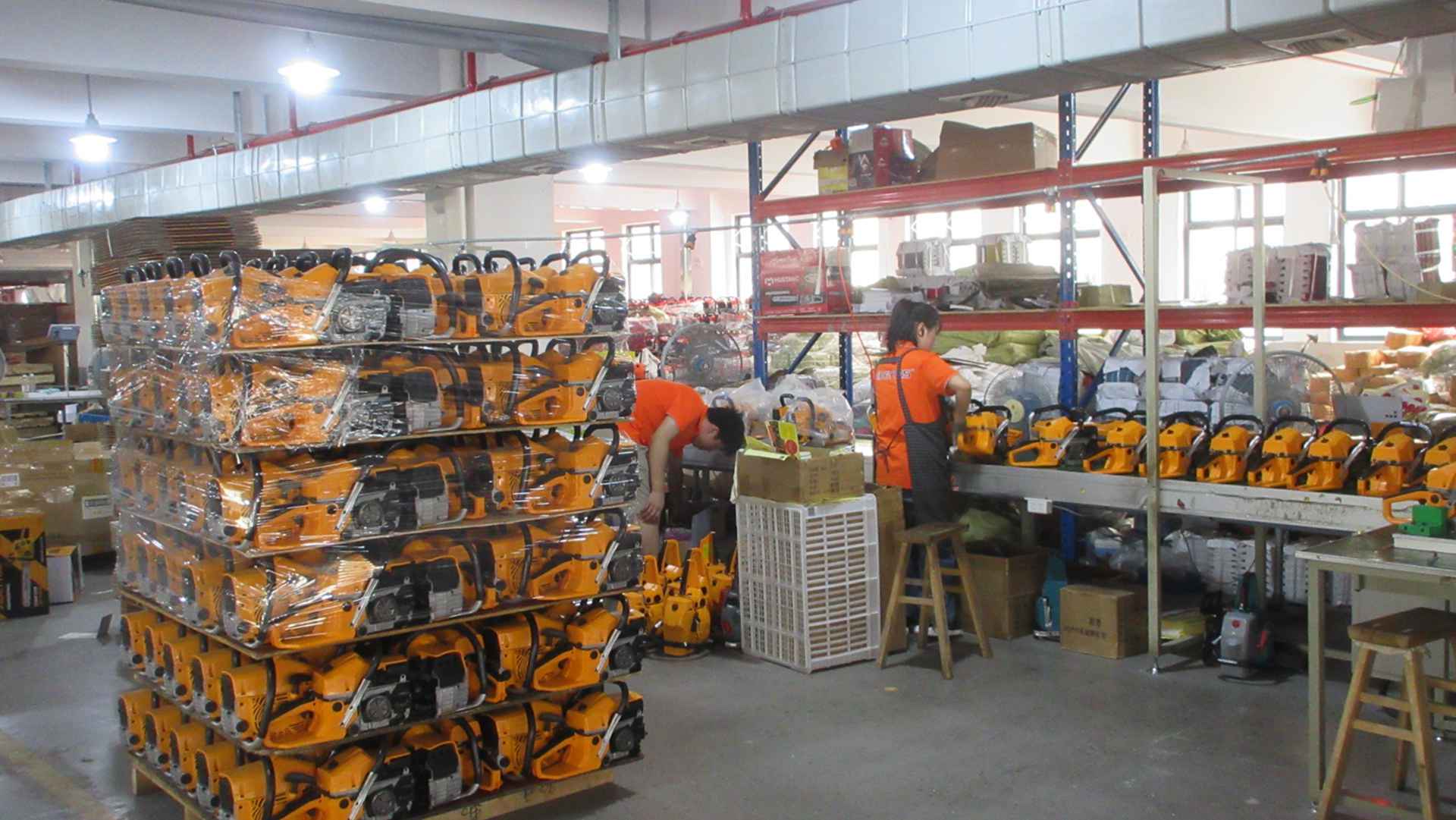
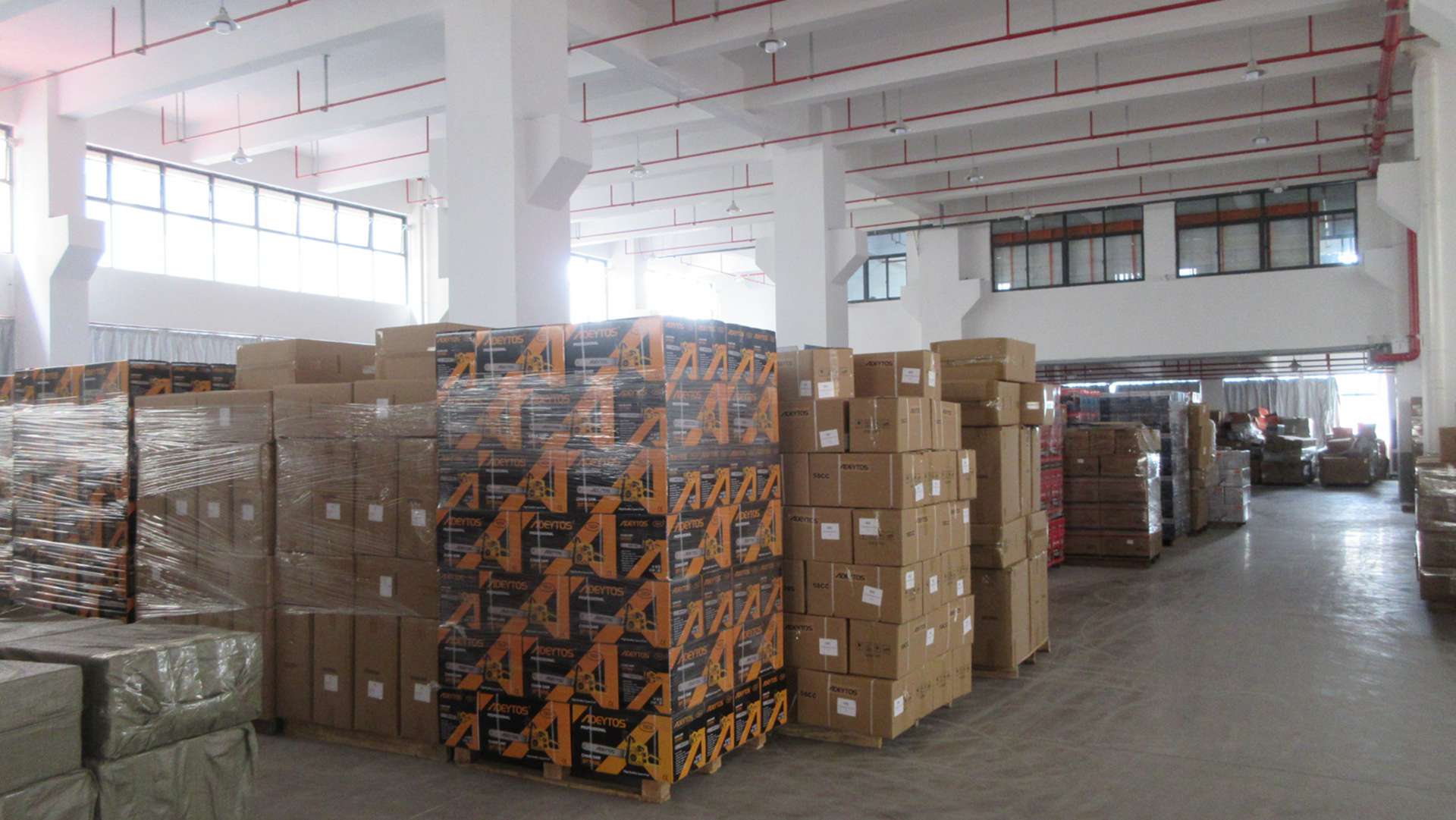
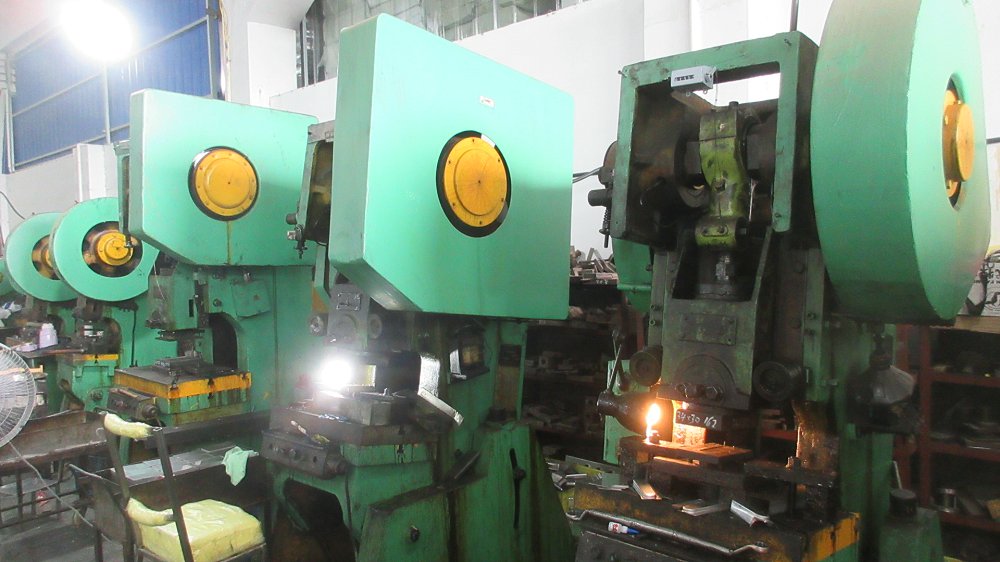
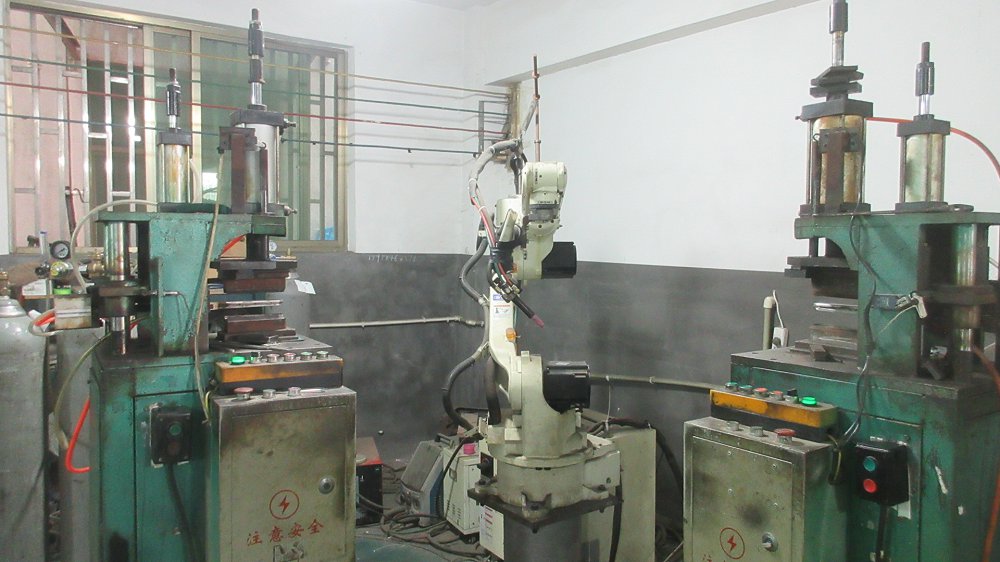
Inside Moxie Garden's production facility: How we convert raw alloy steel into heavy-duty agricultural tools.
To support massive supply chain demands for national-level agricultural bids and commercial distribution in Central Africa, we operate a fully integrated production line. From initial mold casting and high-precision stamping to welding, surface coating, micro-polishing, assembly, and testing, we maintain complete control over every stage of manufacture. Our machinery layout guarantees uniform structural integrity for every lopper shipped.
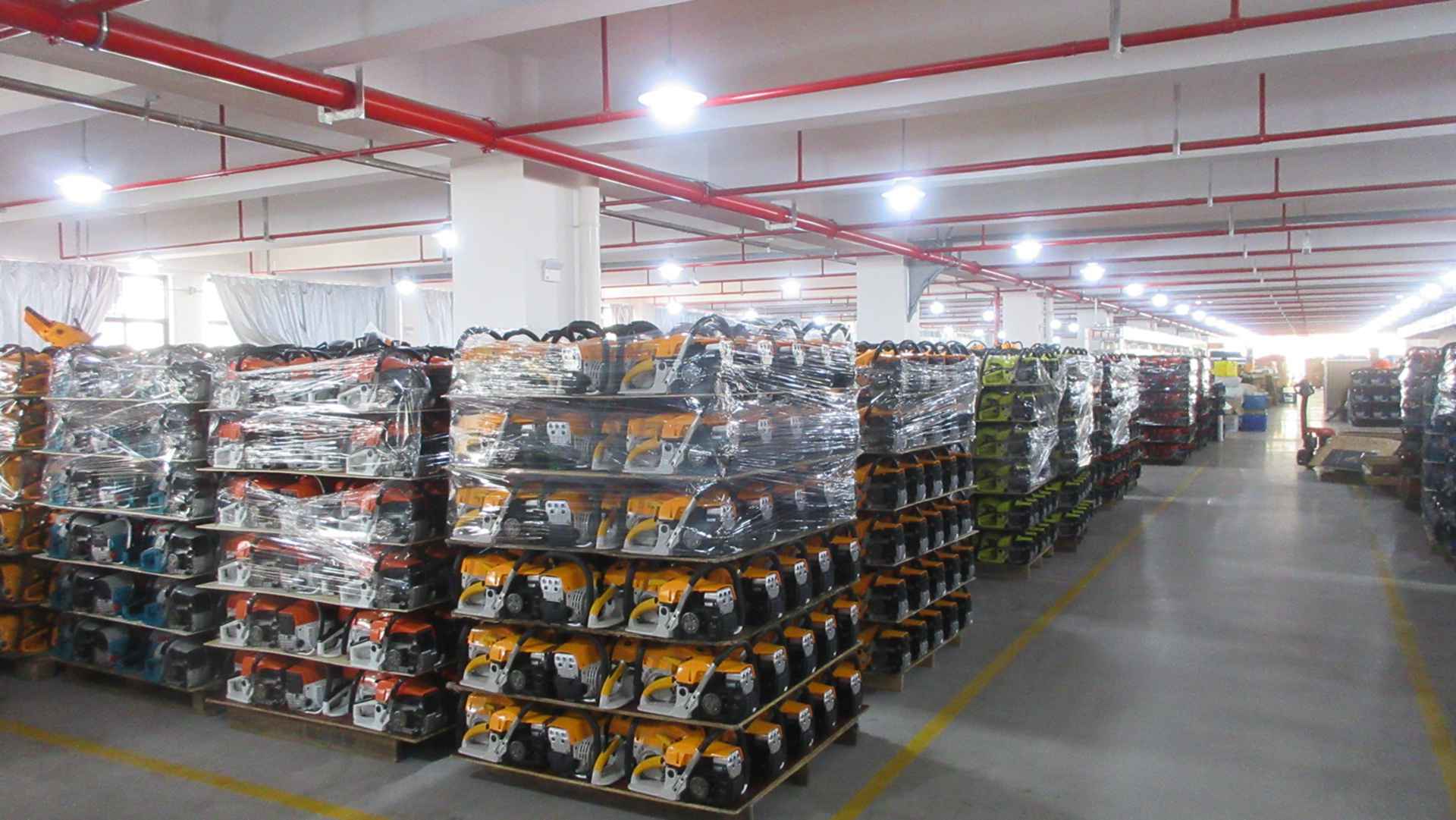
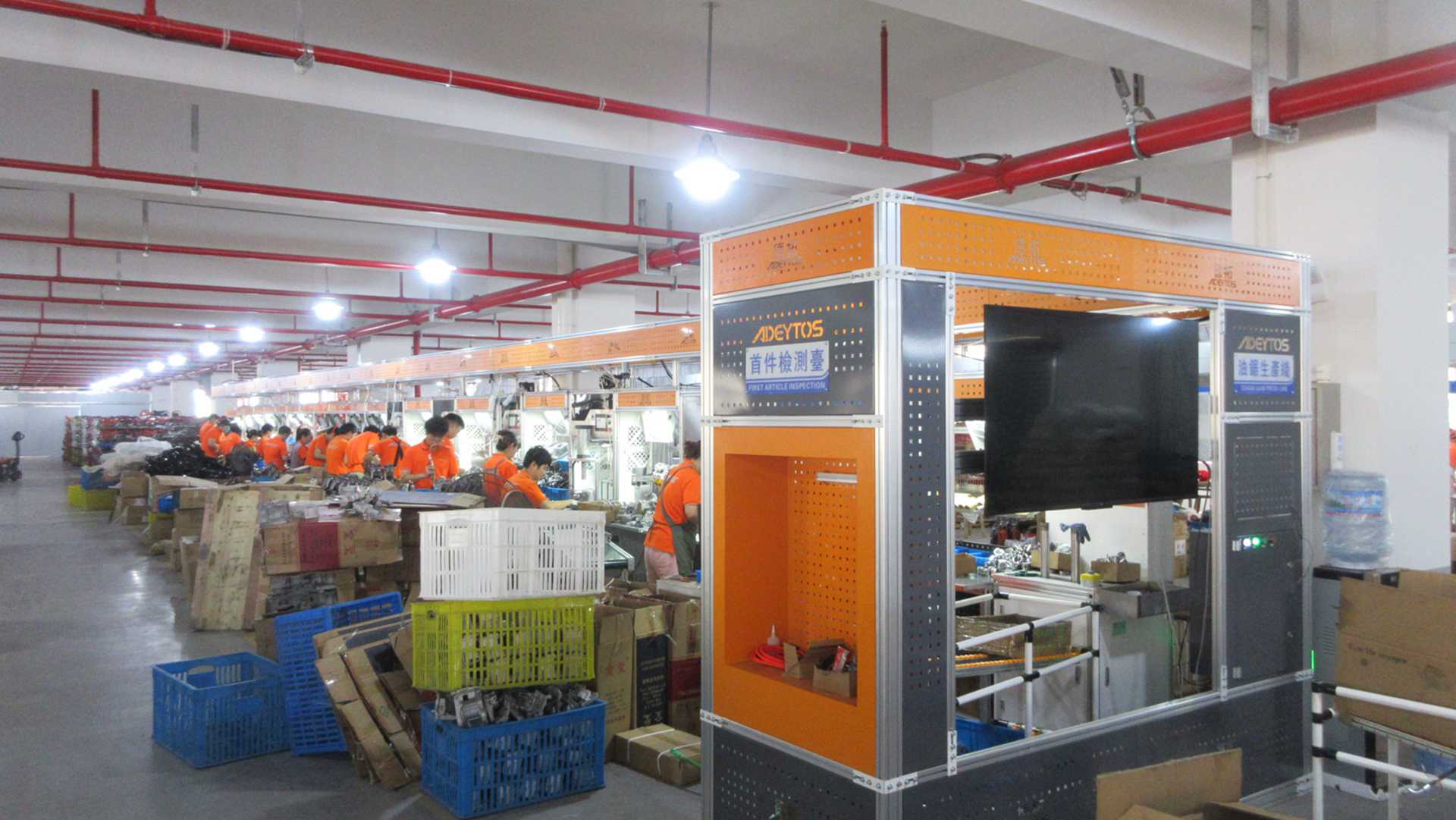
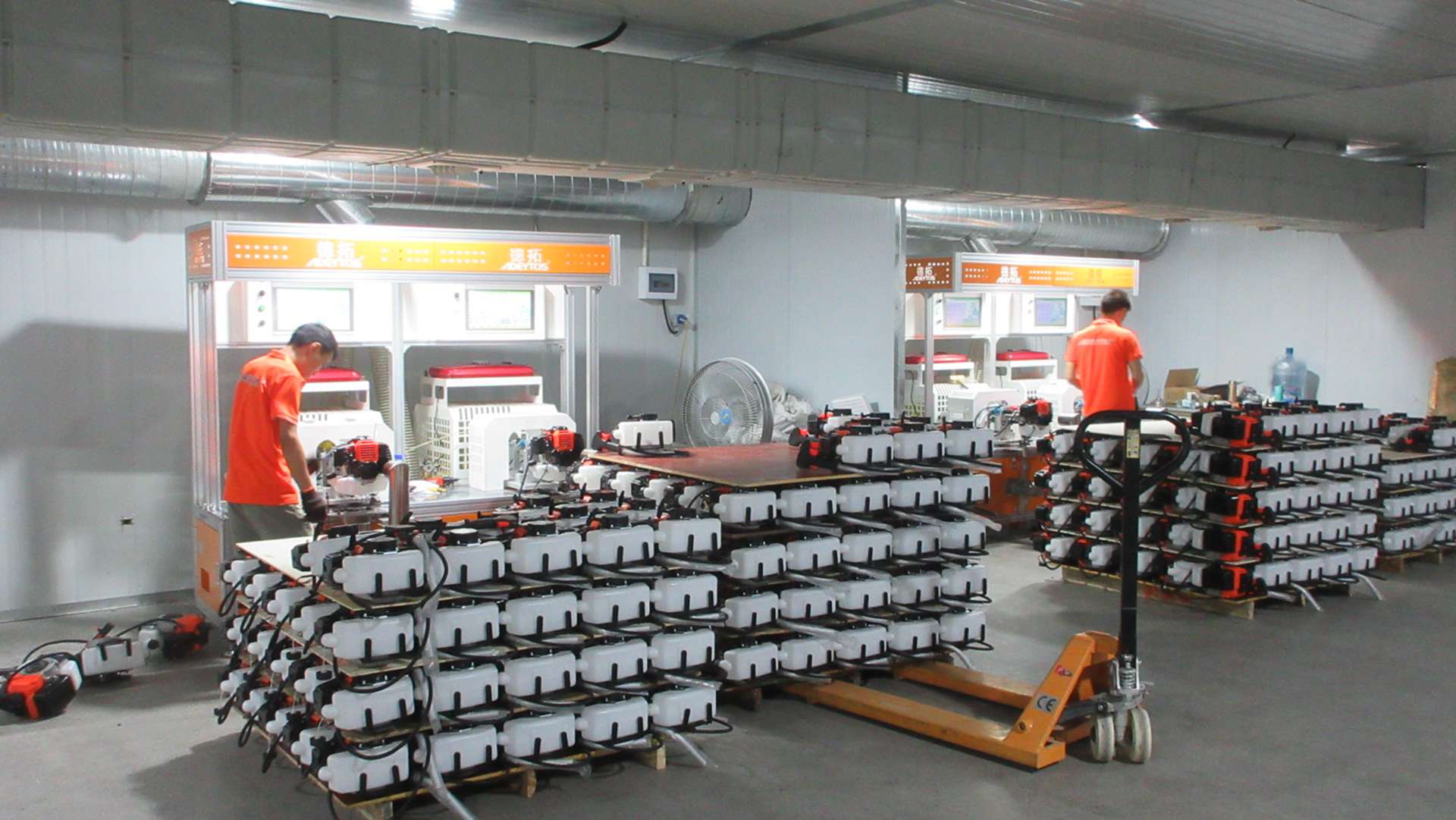
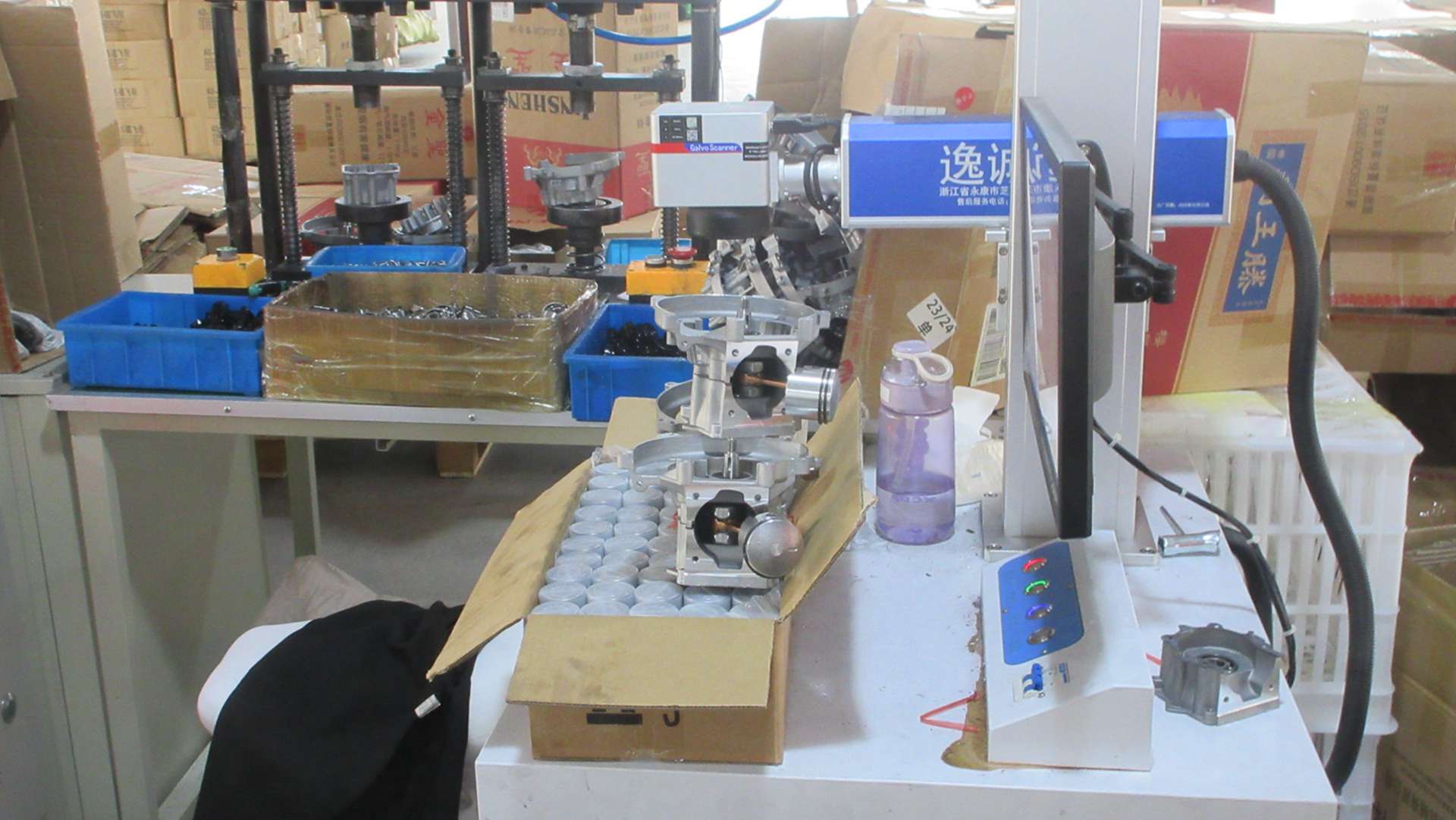
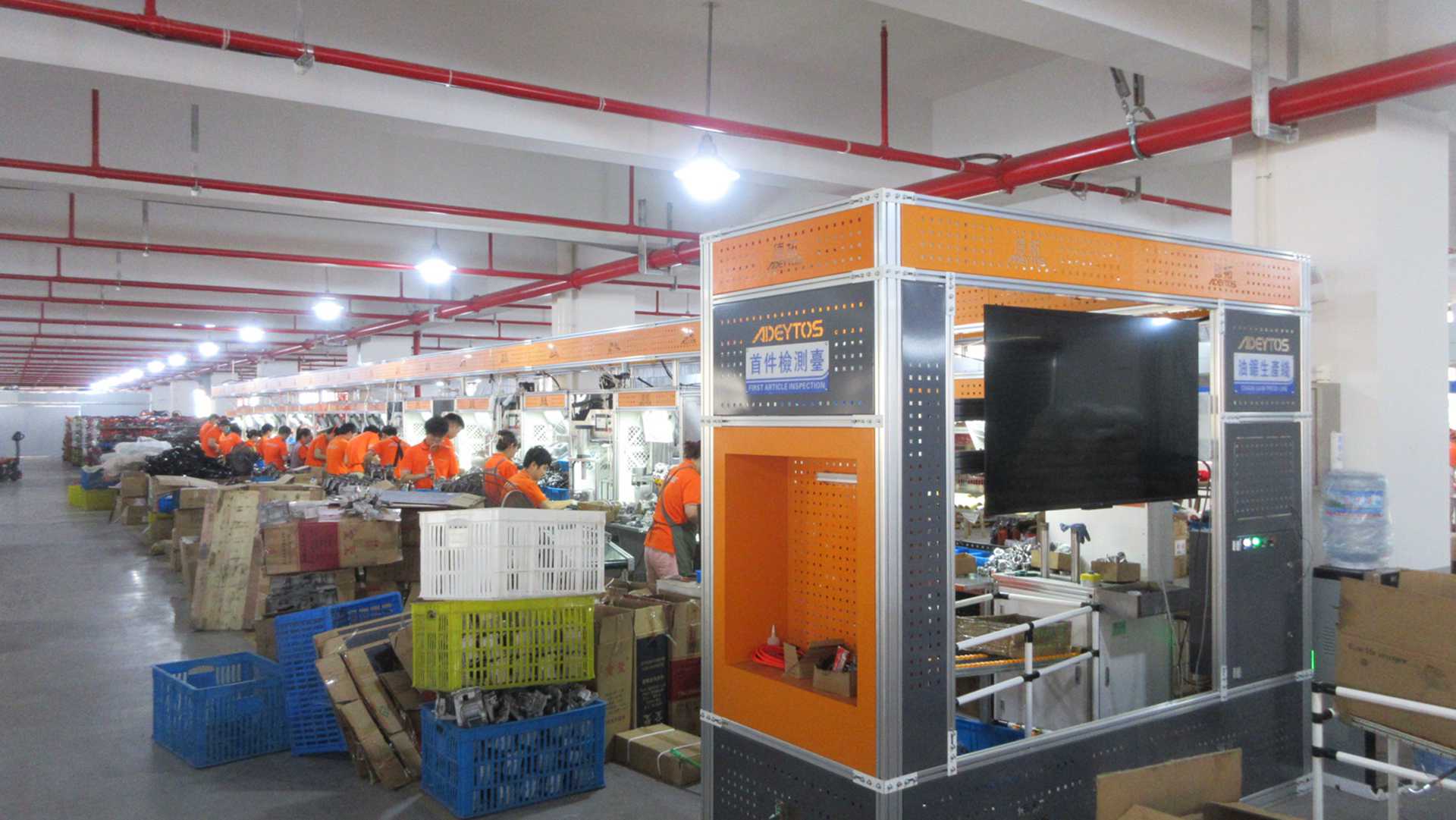
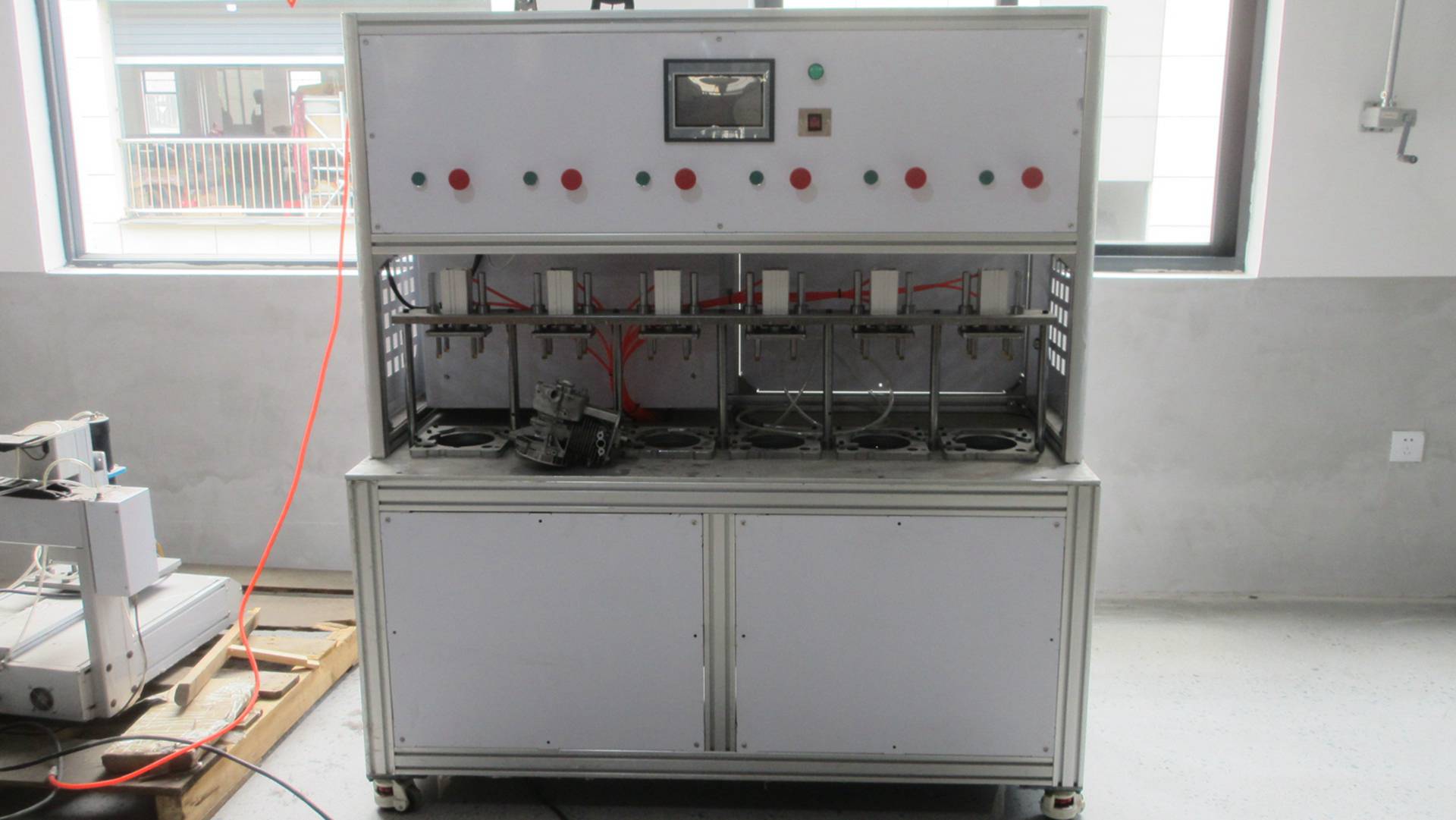
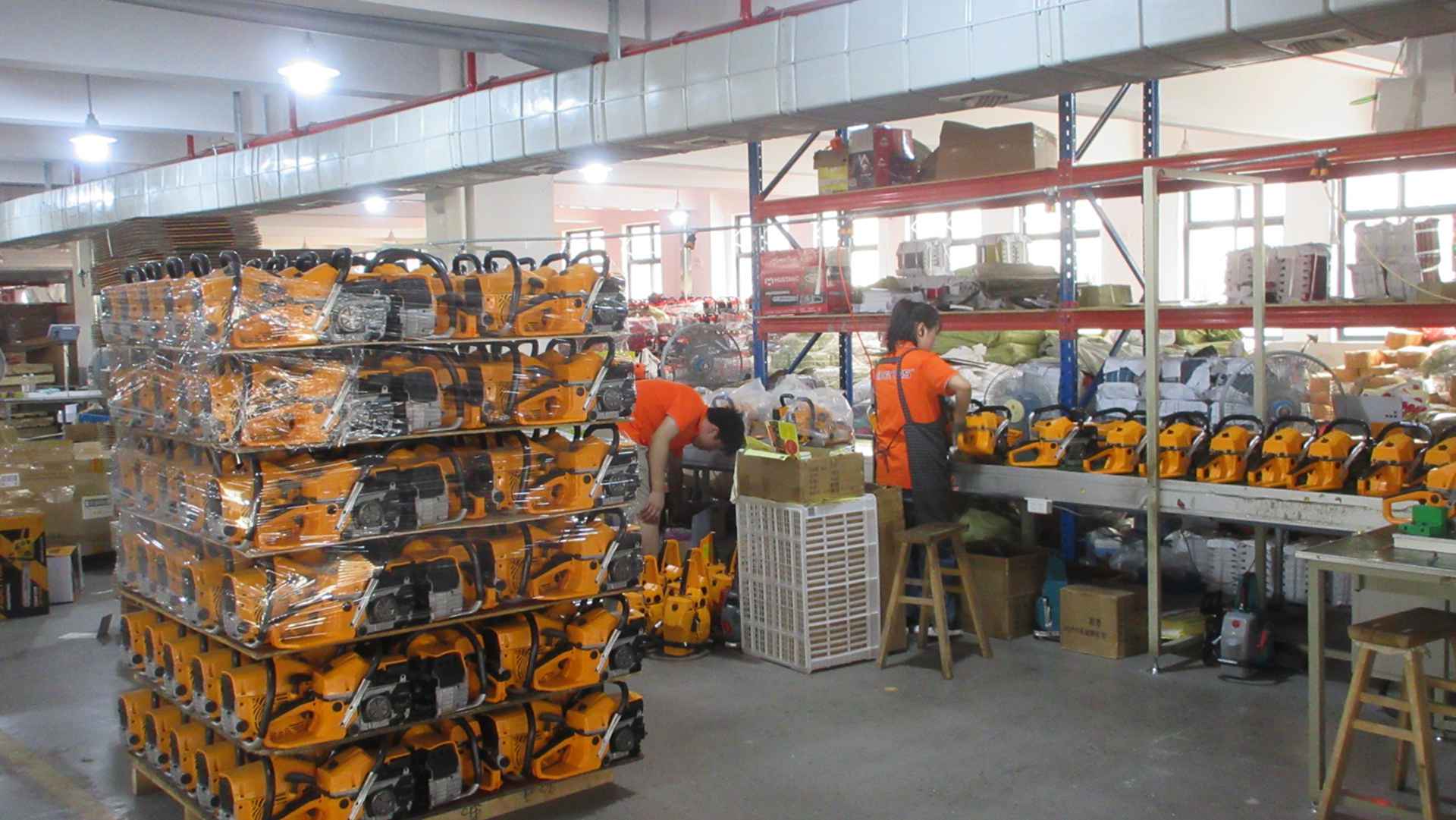
Explore our full engineering range, built for large-scale agricultural distribution, local dealer networks, and NGO tenders in Central Africa.
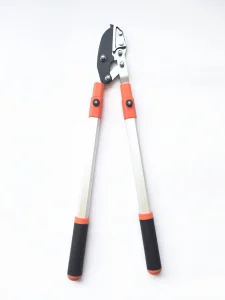
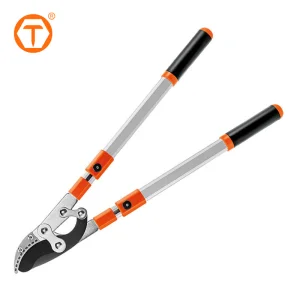
Overcoming landlocked shipping bottlenecks to ensure efficient tool delivery across Central Africa.
Due to the landlocked geography of the Central African Republic, direct sea freight must be systematically routed through primary maritime gateways. Moxie Garden manages transport via the Port of Douala (Cameroon) or the Port of Pointe-Noire (Republic of the Congo). From these transit hubs, containerized freight is transferred to secure road convoys traversing the Trans-African Highway directly to Bangui.
We recognize that regional wholesalers, NGO procurement agents, and private agricultural estates require tailored tool specifications. Our customizable branding options allow you to build market equity:
Importing into the Economic and Monetary Community of Central Africa (CEMAC) demands strict adherence to customs regulations. Moxie Garden works alongside international verification agencies to streamline clearance processes:
How Moxie Garden integrates material sciences to engineer the next generation of professional loppers.
Integrating vanadium and chromium elements into our high-carbon steel blades. This increases toughness while maintaining a sharp cutting edge longer under heavy daily field usage.
Developing lightweight composite fiberglass-polypropylene matrix handles. This retains structural rigidity comparable to aircraft-grade aluminum while reducing overall tool weight by 20%.
Designing an easy-swap blade locking system. Field workers can replace damaged blades within 2 minutes using standard local hand tools, avoiding entire unit replacement costs.
Technical and logistics answers for B2B buyers importing to Central Africa.
Secure your supply of high-grade agricultural hand tools. Contact our international trade division today to receive a comprehensive product catalog, request samples, or obtain a detailed commercial quotation.
Send Inquiry Now Moxie Garden