Storing your garden tools properly for winter is essential. Many gardeners neglect this crucial step. They overlook its importance, leading to rust and damage. Learning how to store garden tools for winter can prolong their life. This practice ensures your equipment is ready for spring.
First, clean your tools thoroughly. Remove dirt and debris. A clean surface prevents corrosion and rust. Next, inspect each tool for damage. Sharp edges should be maintained, while broken handles need replacement.
Lastly, choose a suitable storage location. A dry, sheltered area is ideal. Avoid damp spots, which can ruin even the best tools. Reflecting on these methods will ensure your tools remain in top condition. Proper storage not only saves money but also enhances your gardening experience.
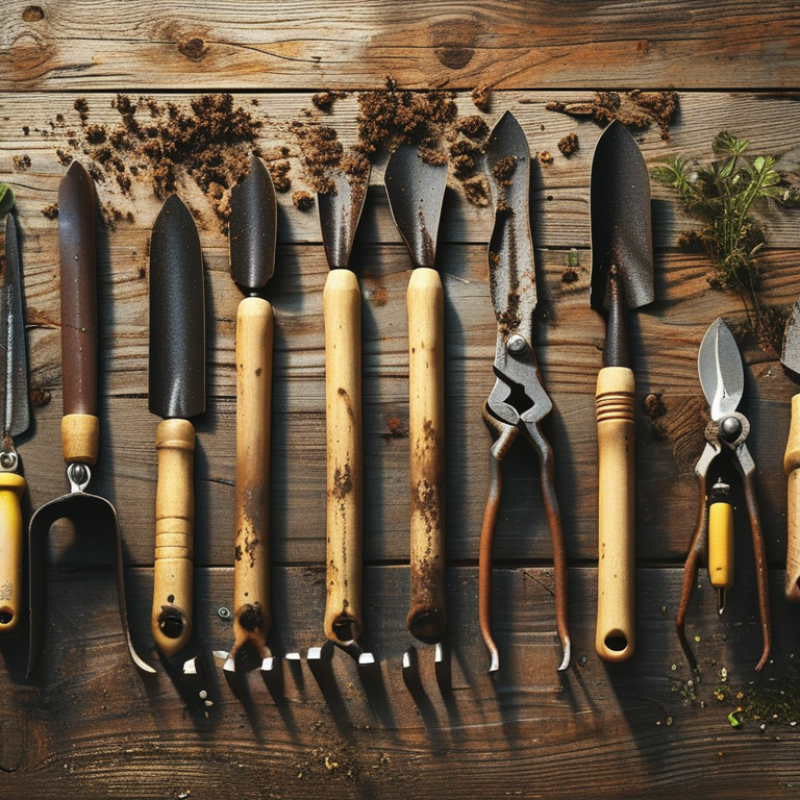
Proper winter tool storage plays a crucial role in maintaining your garden. Tools left outside can suffer from rust and damage. Winter storage helps extend their lifespan. It keeps you organized for the upcoming spring gardening season.
To properly store your tools, start by cleaning them. Remove dirt and debris. A simple rinse can prevent corrosion. Dry them thoroughly before storing. This small step can save you from spending more on replacements.
Consider creating a designated storage space. A shed or garage can work well. Store tools in an upright position or on hooks. This keeps them off the ground and visible. It’s easy to forget what’s in a cluttered space. Regularly check your storage area for mold or pests. This helps avoid unexpected issues when spring arrives.
| Tool Type | Proper Storage Method | Importance |
|---|---|---|
| Shovels | Clean, dry, and hang on a wall | Prevents rust and damage to the blade |
| Rakes | Store in a dry place, preferably hung | Keeps tines straight and operational |
| Pruners | Wipe clean, oil blades, and store in a tool bag | Prevents rust and ensures sharpness |
| Hoses | Drain water, coil, and store in a shed | Prevents cracking and prolongs life |
| Lawn Mowers | Clean, empty fuel, and store indoors | Avoids engine damage and rust |
: Proper storage prevents rust and damage, extending tools' lifespan and ensuring organization for spring gardening.
Remove dirt and debris. Rinse with water and dry them thoroughly to prevent corrosion.
A shed or garage works well. Tools can be stored upright or on hooks for visibility.
Vertical storage saves space and keeps tools organized, making retrieval easier.
Yes, labeled bins help organize items like gloves and seed packets, preventing misplacement.
Regular checks for mold and pests are important to avoid unexpected issues come springtime.
A light coat of oil can prevent rust and maintain tool functionality.
Organized tools can reduce retrieval time by 40%, making your gardening process smoother.
Neglecting maintenance can lead to damage. Sometimes, the small steps can make a big difference.
Always clean off rust before storage. It’s easy to overlook, but it's essential for lasting tools.
Proper winter storage of garden tools is essential for maintaining their longevity and functionality. When considering how to store garden tools for winter, it's important to recognize the potential damage that harsh winter conditions can cause, such as rust, corrosion, and wear. By taking the time to clean and prepare tools before storing them, gardeners can prevent unnecessary deterioration. This involves removing dirt, oiling metal parts, and ensuring all tools are dry before storage.
Additionally, implementing best practices for organizing and storing garden tools can streamline access and improve efficiency in the following gardening season. Utilizing protective covers and appropriate containers not only protects tools from extreme weather but also helps in maintaining their condition over time. By investing effort into proper winter storage, gardeners can save money on replacements and ensure their tools are in prime condition when spring arrives.

 Moxie Garden